
Noticing your dog’s face swelling after a vaccine can be alarming, especially when the reaction appears suddenly.
Facial swelling is one of the most visible and concerning post-vaccine reactions, and many owners worry about whether it signals an allergic emergency.
This guide outlines the most common causes of facial swelling after vaccines in dogs, what you can do at home, and when to seek veterinary help.
Table of Contents
Dog Face Swelling After Vaccine: Why It Happens
A dog’s face swelling after a vaccine usually happens due to an allergic reaction, immune system sensitivity, localized inflammation, or a rapid histamine response triggered by the vaccination. The swelling can come on suddenly, sometimes within minutes to a couple of hours, and often affects the eyes, lips, muzzle, and ears.
Some dogs experience mild swelling that resolves quickly, while others develop more serious reactions that require immediate veterinary care.
This swelling occurs because the immune system is reacting strongly to the vaccine’s ingredients, causing fluid to accumulate in the tissues of the face.
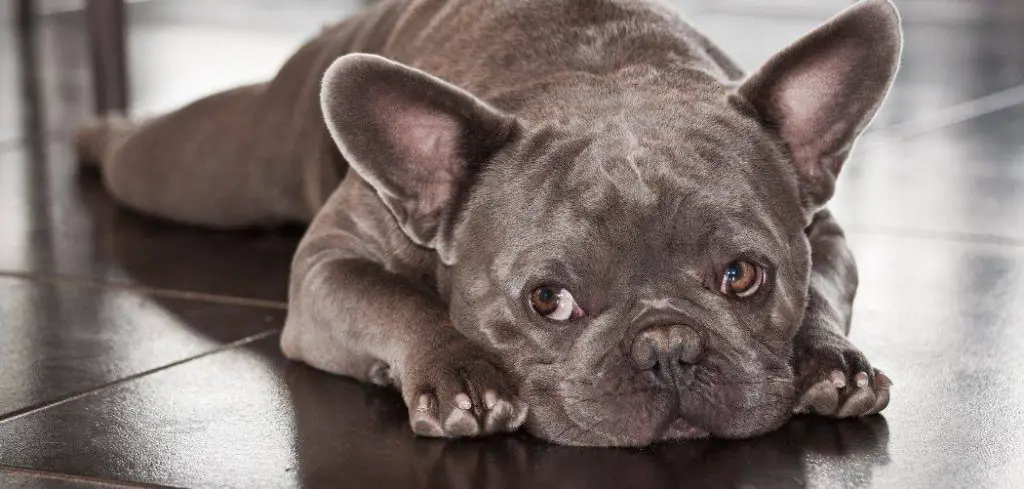
Dog Face Swelling After Vaccine: Common Causes
1. Allergic Reaction to the Vaccine
An allergic reaction is the most common cause of facial swelling after a vaccine.
This type of reaction can occur minutes to hours after the injection, depending on how sensitive the dog is.
When the immune system reacts aggressively to the vaccine’s components, the body releases histamines, which cause fluid buildup in soft tissues of the face.
You may notice swollen eyes, lips, or muzzle, along with itching or redness. Some dogs may rub their face on the floor or paw at their eyes because the swelling feels uncomfortable. Allergic reactions can range from mild to severe and should always be taken seriously.
While many dogs experience only mild swelling, rapid progression can indicate a potentially life-threatening condition, so monitoring is crucial.
Related: Dog diarrhea after vaccines (Why it happens)
2. Hypersensitivity to Vaccine Ingredients
Some dogs are more sensitive to certain proteins or preservatives found in vaccines.
This hypersensitivity is not a full allergic reaction but rather an exaggerated immune response. A hypersensitive dog may develop swelling because the body reacts strongly to the injected material, even when the reaction isn’t dangerous.
When this occurs, swelling is usually moderate, appears gradually, and may be accompanied by redness or warmth in the affected tissues. Some dogs also experience mild hives across the face or neck.
This cause is particularly common in dogs that have a history of reacting to certain medications or vaccines. The swelling tends to resolve faster than swelling from a true allergic reaction, but veterinary guidance is still recommended.
3. Immune System Overactivation After Vaccination
Vaccines work by stimulating the immune system, but in some cases, that activation becomes stronger than expected.
When this happens, the inflammatory response can spread beyond the injection site and affect soft tissue areas like the muzzle and eyelids. Swelling caused by immune activation typically appears within hours and may be accompanied by lethargy or mild fever.
This type of swelling can look dramatic because the tissues of the face are more delicate and prone to holding extra fluid.
The swelling usually settles within 24 hours, but the dog’s behavior, breathing, and comfort level should be monitored carefully until it resolves.
4. Localized Inflammation Spreading to the Face
Sometimes the inflammation that starts at the vaccine site extends to nearby lymph nodes.
When the lymphatic system responds strongly, the facial tissues can become puffy due to increased fluid circulation. This cause is more likely when the vaccine was given in an area near lymphatic drainage pathways that connect to the head or neck.
Owners may notice tenderness around the neck, slight stiffness, or mild swelling under the jaw. While this reaction is generally mild, it can still cause noticeable puffiness in the face.
This tends to resolve on its own, but if the swelling continues to spread or is accompanied by breathing difficulty, medical attention is needed immediately.
5. Early Signs of Anaphylaxis
Anaphylaxis is a rare but extremely serious allergic reaction that can cause facial swelling.
In some dogs, facial swelling is the first visible sign that a severe reaction is beginning. The swelling may progress rapidly, involving the eyelids, muzzle, lips, and even the throat, creating a risk of airway obstruction.
Dogs experiencing early anaphylaxis may appear restless, weak, or disoriented. Vomiting, collapse, and pale gums are also signs that the reaction is becoming life-threatening.
Immediate emergency veterinary care is required, as anaphylaxis can escalate quickly. Even if the swelling seems mild, any possibility of anaphylaxis deserves urgent attention.
6. Reaction to Multiple Vaccines Given at Once
Some dogs receive several vaccines during the same visit, which increases the total load on the immune system.
When a dog is exposed to multiple antigens and ingredients at the same time, the chances of facial swelling increase. This does not mean the dog is unhealthy—it simply means their body is responding strongly.
The swelling may appear quickly or develop a few hours later. Dogs may also experience mild fever, tiredness, or swelling around the neck and jaw.
While many dogs tolerate combination vaccine visits well, those who develop swelling may need a staggered schedule in the future.
Related: Dog side effects after vaccines (Understanding why it happens)
What to Do If Your Dog’s Face Swells After a Vaccine
If your dog’s face swells after a vaccine, start by staying calm while assessing the severity of the swelling.
Move your dog to a quiet place with good lighting so you can monitor their eyes, lips, and muzzle closely.
Some mild swelling may stay stable or even begin improving within a short period, especially if the dog is otherwise acting normally.
You can offer cool water and encourage gentle rest, as excitement or stress can worsen inflammation. Avoid pressing on swollen tissues, as the area is often tender and sensitive. If your dog is rubbing their face, you may need to gently redirect them to prevent scratching or irritation.
Continue observing your dog’s breathing throughout this time. If your dog is breathing normally and does not seem distressed, the swelling may simply be a mild reaction that will resolve. However, swelling that worsens, spreads, or becomes firm should be evaluated by a veterinarian.
If your dog has had similar reactions in the past, contact your vet immediately for guidance, as repeated reactions often require pre-treatment or modified vaccine protocols.
When to Call or Visit Your Vet
Facial swelling after vaccines can worsen quickly, so it’s important to know when to seek help.
If your dog’s face swelling appears suddenly, is rapidly progressing, or is accompanied by hives, vomiting, diarrhea, or breathing difficulty, you should contact your veterinarian or an emergency clinic right away. These are common beginning signs of a serious allergic reaction.
You should also call the vet if swelling appears near the throat, as this area can compromise breathing.
Swelling that persists beyond 24 hours, becomes painful, or is accompanied by extreme lethargy also warrants medical attention. Dogs with a history of allergic reactions to vaccines are at higher risk and should be evaluated even if the swelling looks mild at first.
If your dog collapses, has difficulty breathing, or becomes unresponsive, treat it as a medical emergency and seek immediate care.
Read more: Dog Diarrhea After Rabies Shot (Is it normal?)
Key Takeaway
Facial swelling after vaccines can be frightening, but most cases are caused by allergic reactions or immune sensitivities that resolve with prompt treatment.
Monitoring your dog closely, recognizing early warning signs, and contacting your veterinarian when needed are the best ways to ensure your dog stays safe.
With proper care and guidance, dogs who experience swelling can still receive vaccines in the future with a modified approach.